

Meet Eli
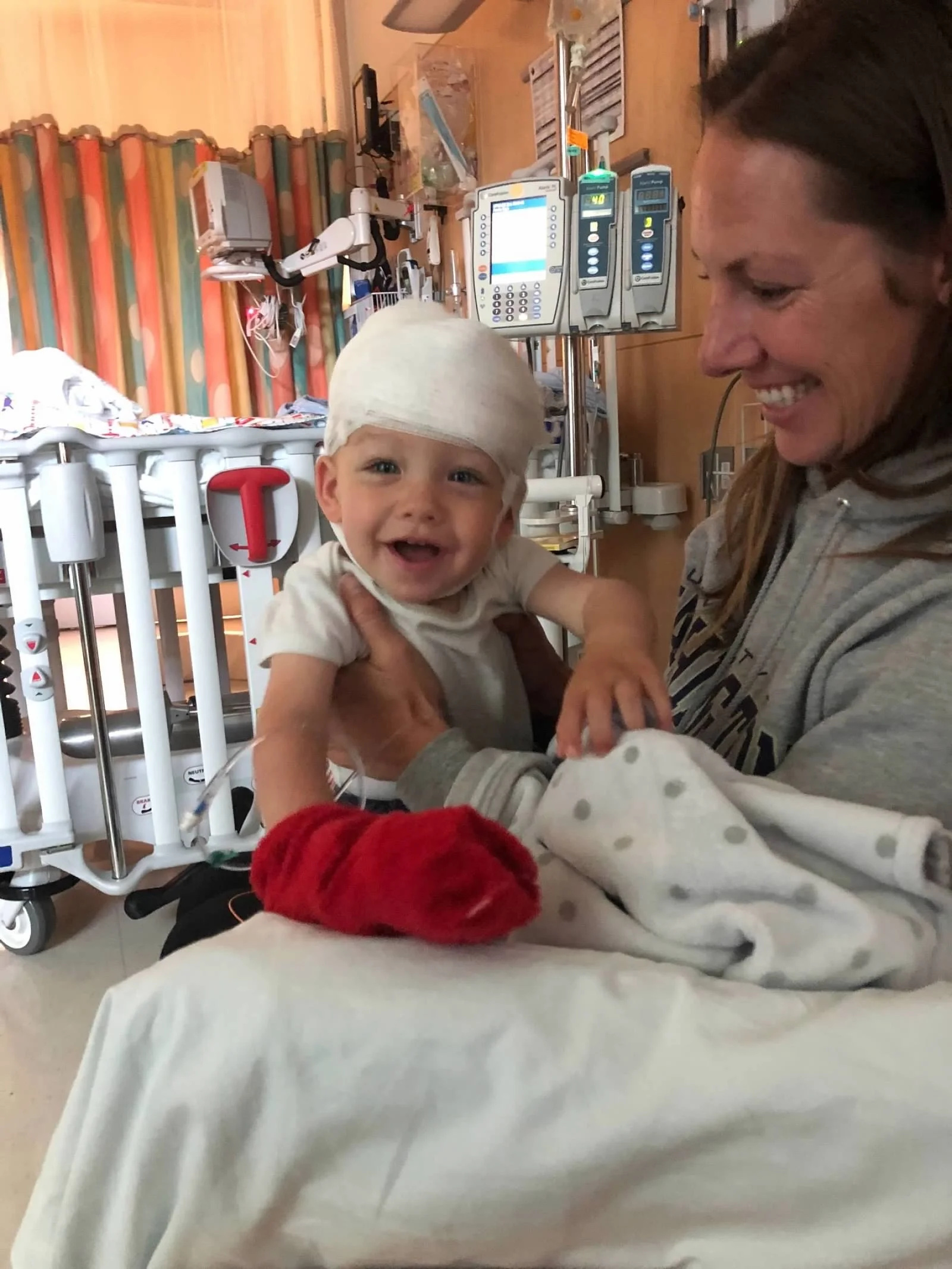
Our son Eli was born after a completely normal pregnancy and delivery. Like any new mom, I expected to watch him reach milestones in his own time, but as the months passed, I began noticing delays. By his nine month appointment, he was only just learning to sit independently. At the time, I did not realize we were at the beginning of a much different path than we had imagined.
In July 2018, at just 18 months old, Eli experienced a cluster of seizures over one terrifying weekend. We were admitted to Seattle Children’s Hospital, and within three days he was diagnosed with Alexander Disease, a rare and progressive neurological disorder. We were told there was very little known about the disease and were sent home with the heartbreaking guidance to simply love our boy well. Doctors shared that he might live into his early teens, but the progression was unpredictable and often severe.
Determined to learn everything we could, my husband Tyler began extensive research and connected with Dr. Amy Waldman at Children’s Hospital of Philadelphia in September 2018. The following month, we flew across the country to meet her and enroll Eli in the AxD Human History Study. During that trip, Eli underwent his first lumbar puncture, and we connected with another AxD family who had traveled from London, a meaningful reminder that even in a rare diagnosis, community exists.
Eli was started on Keppra to manage seizures, though he continued to have yearly breakthrough seizures that required hospital care. Throughout his life, Eli has experienced cycles of gaining and losing skills depending on illness and neurological regression.
In May 2022, Eli developed a severe respiratory illness along with COVID 19 and experienced a major seizure that set his functional baseline back by years. His recovery was long and difficult. Over the next three years, he worked incredibly hard to regain strength, relearning to walk, climb, and rebuild fine and gross motor skills, but he never regained his speech.
In January 2025, Eli suffered another significant decline after a double respiratory infection. He became severely underweight and began aspirating all oral intake. We made the urgent decision to place an NG tube for immediate nutritional support, followed by a G tube at the end of March for long term feeding. He remained out of school for the remainder of the year to focus on recovery and rebuilding strength.
Today, Eli is nonverbal and no longer able to walk independently. He has lost most of his fine and gross motor skills and requires full caregiver support for daily living, including toileting. He is currently learning to use an eye gaze communication device, which requires significant time and effort but offers hope for connection and expression. At night, he is monitored on cameras because he is unable to roll over or move blankets away from his face. He uses eye contact with the camera to signal when he needs help, a powerful example of his determination to communicate despite profound physical limitations.
Watching the progression of Alexander Disease in my child has been deeply heartbreaking. At the same time, Eli’s journey reflects resilience, strength, and the importance of continued research, advocacy, and support for families navigating rare neurological conditions. By sharing his story, I hope to contribute to greater awareness, improved understanding, and a stronger community for those affected by AxD.
